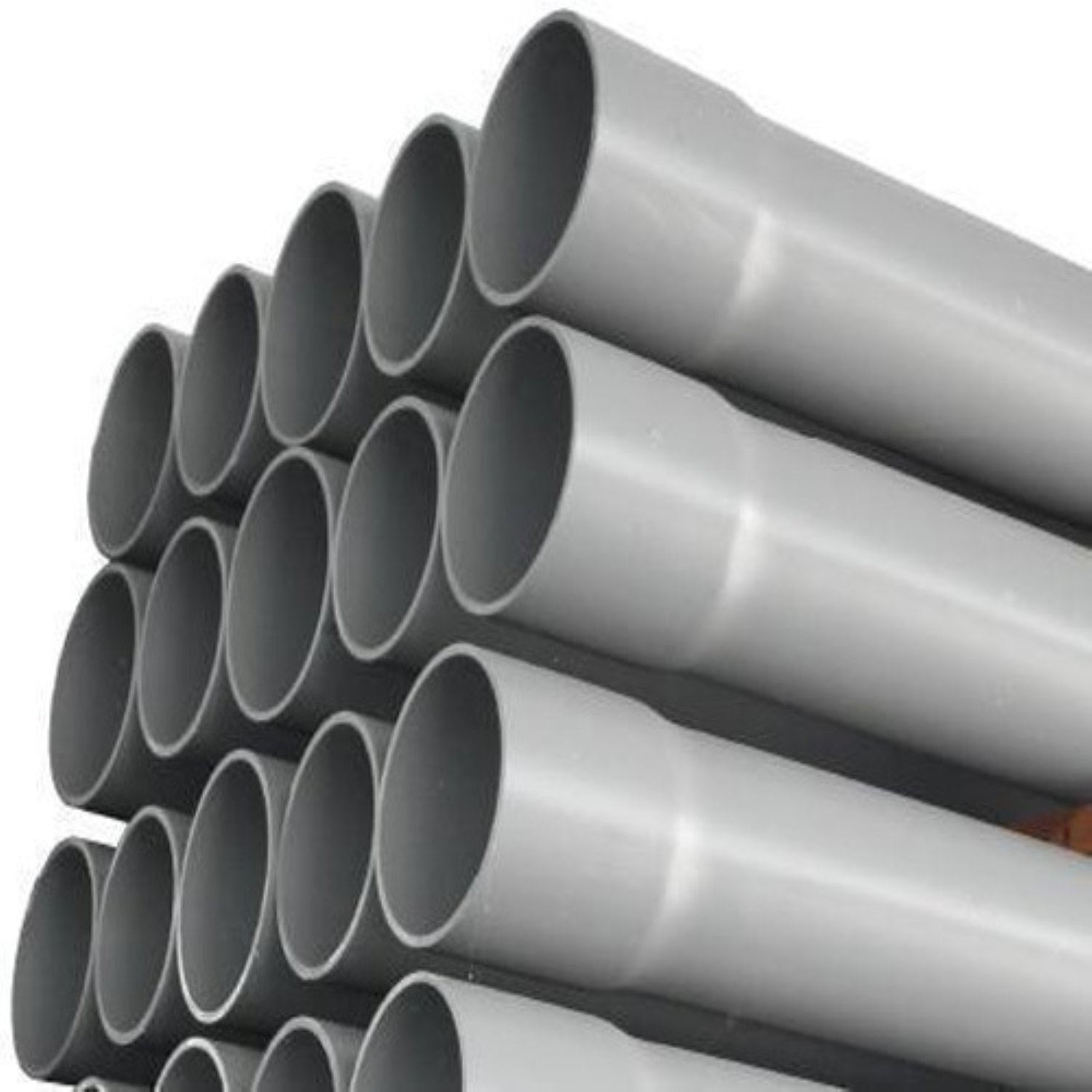
PVC, UPVC and HDPE pipes are the three most common plastic pipes used in homes, farms and building projects. They look similar on a dealer's shelf, but they behave very differently once installed. Choosing the wrong one can mean leaks, cracked joints or a pipeline that has to be replaced years too early. This guide explains the difference in simple terms so you can pick the right pipe for your job.
Quick comparison
| Feature | PVC | UPVC | HDPE |
|---|
| Material | Polyvinyl chloride (term often used for most vinyl pipes) | Unplasticized PVC, rigid | High-density polyethylene, flexible |
| Rigid or flexible | Rigid (flexible types used for hoses) | Rigid | Flexible, available in coils |
| Typical joints | Solvent cement or rubber ring | Solvent cement or rubber ring | Fusion welding or compression fittings |
| Best for | Borewell, irrigation, SWR drainage | Pressure water lines, plumbing, borewell | Long runs, uneven ground, borewell columns, water supply |
| Cost | Economical | Economical | Usually higher per metre, fewer joints needed |
What is a PVC pipe?
PVC (polyvinyl chloride) is the most widely used plastic pipe material. In everyday use, "PVC pipe" is often used as a general name for vinyl pipes, including agricultural pipes, borewell casing pipes and SWR (soil, waste and rain water) drainage pipes. PVC pipes are lightweight, do not rust and are easy to cut and join, which makes them one of the most economical choices for water and drainage lines.
See our range of PVC pipes for borewell, plumbing and irrigation.
What is a UPVC pipe?
UPVC stands for unplasticized PVC. It is made without the softening additives (plasticizers) used in flexible PVC, so it is more rigid and stronger. That makes UPVC the preferred choice for pressure water lines: household cold water plumbing, overhead tank connections, pump lines and borewell column pipes.
UPVC is not meant for hot water lines; for hot water, CPVC pipes are used instead. If UPVC pipes will be exposed to strong sunlight for long periods, it is good practice to cover or paint them.
Learn more about our UPVC pipes for plumbing, borewell and agriculture.
What is an HDPE pipe?
HDPE (high-density polyethylene) is a tough, flexible plastic. HDPE pipes can bend with the ground, so they handle soil movement, uneven land and long continuous runs better than rigid pipes. They are often supplied in long coils, which means fewer joints, and they are joined by fusion welding or compression fittings to create leak-free connections.
Because of this flexibility and toughness, HDPE is widely used for borewell column lines, long irrigation mains and village or town water supply lines.
See our HDPE pipes for borewell, agriculture and water supply.
Which pipe should you choose?
- Household plumbing (cold water): UPVC, or ASTM pipes for standard-size fittings in bathrooms and kitchens.
- Borewell: UPVC or PVC column and casing pipes for most borewells; HDPE where flexibility and long single lengths are needed.
- Farm irrigation lines: PVC or UPVC for straight buried mains; HDPE for long runs across uneven fields.
- Drainage in buildings: SWR PVC pipes designed for gravity flow.
- Long water supply lines: HDPE, because it needs fewer joints and copes with ground movement.
Frequently asked questions
Is UPVC better than PVC?
For pressure water lines, yes. UPVC is more rigid and stronger. For drainage or general agricultural use, standard PVC pipes are usually enough.
Is HDPE stronger than UPVC?
They are strong in different ways. UPVC is stiffer, while HDPE is tougher and more impact-resistant because it can flex instead of cracking.
Can I use UPVC pipes for drinking water?
Yes. UPVC pipes made for potable water are widely used for drinking water supply lines.
Need help choosing?
Duro Pipe Industries has manufactured pipes in Varanasi since 1992. Tell us what you are building and we will recommend the right pipe. Contact us for prices and bulk orders.